
Prekese for Postpartum & Wellness: Traditional Uses Explained
2nd Mar 2026
Across West Africa, Prekese holds deep cultural and culinary significance. Known internationally as Aidan fruit, this distinctive pod has been used for generations in soups, broths, and herbal preparations. Derived from the tropical tree Tetrapleura tetraptera, Prekese is especially respected for its traditional role in postpartum care and overall wellness routines.
As interest in natural living and traditional African herbs grows, many people are searching for Prekese for postpartum, Prekese health benefits, and how to prepare Aidan fruit tea correctly. In this in-depth guide, we’ll explore the cultural roots, traditional applications, preparation methods, and modern relevance of this remarkable West African ingredient.
What Is Prekese?
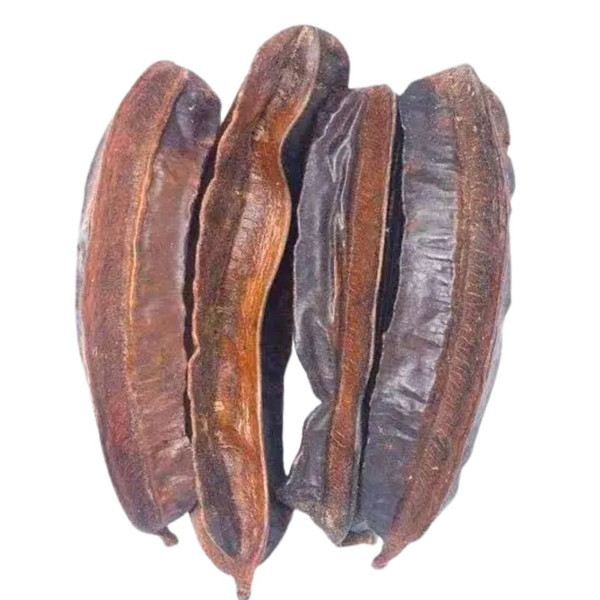
Prekese is the dried pod of Tetrapleura tetraptera, a tree native to Ghana, Nigeria, and other tropical parts of West Africa. The fruit grows in long, dark brown pods with four distinct ridges. Once harvested, the pods are sun-dried to intensify their aroma and preserve their natural compounds.
The scent of Prekese is unmistakable—smoky, slightly sweet, earthy, and warm. When simmered in soups or boiled as tea, it releases a deep fragrance that enhances both flavor and experience.
While widely used in cooking, its importance extends far beyond the kitchen.
The Cultural Importance of Prekese in Postpartum Traditions
In many Ghanaian households, food is closely tied to healing and recovery. After childbirth, special soups and herbal preparations are traditionally prepared for new mothers. One of the most commonly included ingredients in these meals is Prekese.
When people search for Prekese for postpartum, they are often discovering a tradition that has been passed down through generations.
Why Is Prekese Used After Childbirth?
In traditional West African practice, Prekese is believed to:
-
Support postpartum recovery
-
Promote nourishment after delivery
-
Encourage internal cleansing
-
Restore strength and vitality
-
Complement nutrient-rich soups
These uses are rooted in cultural wisdom rather than modern medical claims. However, the continued use of Prekese in postpartum soups highlights its respected status in traditional wellness practices.
One common preparation includes adding Prekese to pepper soup or palm-based soups served warm to new mothers during the early recovery period.
Understanding Prekese Health Benefits
Interest in Prekese health benefits continues to grow globally. Although more scientific research is needed, the fruit contains naturally occurring plant compounds that contribute to its traditional value.
These include:
-
Flavonoids
-
Tannins
-
Saponins
-
Natural antioxidants
-
Essential plant nutrients
Because of this composition, Prekese has historically been included in herbal infusions for digestive support and overall vitality.
Again, while these traditional uses are widely practiced, Prekese is not intended to diagnose or treat medical conditions. Instead, it remains part of a holistic, food-based approach to wellness.
Aidan Fruit Tea: A Traditional Wellness Drink
One of the most popular ways to consume Prekese outside of soups is by preparing Aidan fruit tea.
This herbal infusion is valued for its warmth, earthy flavor, and comforting qualities.
How to Prepare Aidan Fruit Tea
If you’re searching for how to prepare Aidan fruit tea properly, follow these steps:
-
Break one dried Prekese pod into smaller pieces.
-
Rinse briefly under clean water.
-
Add to 3–4 cups of water.
-
Bring to a boil and simmer for 15–20 minutes.
-
Strain and serve warm.
Optional additions include:
-
Fresh ginger
-
Cloves
-
Honey
-
Lemon
The result is a mildly sweet, smoky herbal tea that many people include in their daily or weekly wellness routines.
How Prekese Supports Digestive Wellness Traditions
In addition to postpartum use, Prekese has traditionally been associated with digestive comfort. In many West African communities, herbal infusions containing Aidan fruit are consumed after heavy meals or during seasonal transitions.
The warming properties of the tea make it especially comforting. When combined with ginger, it creates a deeply aromatic beverage that aligns with traditional digestive practices.
This is one reason why modern searches for Prekese health benefits frequently include digestive-related keywords.
The Role of Prekese in Immune-Supporting Herbal Blends
Prekese is also commonly included in herbal mixtures designed to support general wellness during colder months or seasonal changes.
When simmered with:
-
Ginger
-
Garlic
-
Cloves
-
Local herbs
It becomes part of a broader herbal tradition focused on nourishment and balance.
Its natural antioxidant content contributes to its continued inclusion in these preparations.
Culinary Wellness: Food as Healing
One unique aspect of Prekese is how seamlessly it bridges food and wellness. In West African culture, healing foods are often soups and broths rather than capsules or extracts.
For example:
-
Pepper soup infused with Prekese is commonly served warm.
-
Palm nut soup with Prekese provides richness and nourishment.
-
Light herbal broths with broken pods are consumed during recovery.
One of the most recognized dishes that may include Prekese is Ghanaian palm nut soup, where the fruit’s aroma enhances the soup’s depth and warmth.
This blending of culinary and herbal traditions makes Prekese unique among global spices.
Modern Interest in Traditional African Herbs
As global wellness trends shift toward natural ingredients and ancestral knowledge, traditional African herbs like Prekese are gaining attention.
Consumers today are increasingly curious about:
-
Plant-based wellness
-
Traditional postpartum practices
-
Herbal teas from different cultures
-
Natural digestive support options
Prekese fits naturally into this movement because it represents centuries of use grounded in community knowledge.
How to Use Prekese Safely
Although Prekese has a long history of use, moderation is key.
General guidelines include:
-
Using small portions in soups
-
Breaking pods into smaller pieces
-
Avoiding excessive daily intake
-
Consulting a healthcare professional during pregnancy
Because it is potent in aroma and flavor, a little goes a long way.
Choosing High-Quality Prekese
If you’re incorporating Prekese into postpartum or wellness routines, quality matters.
Look for:
-
Dark brown, firm pods
-
Strong, pleasant aroma
-
No visible mold or moisture
-
Proper airtight packaging
Fresh, well-dried pods maintain stronger fragrance and effectiveness in both cooking and tea preparation.
Prekese as a Symbol of Care and Nourishment
In many Ghanaian families, preparing food with Prekese for a new mother is more than tradition—it is an act of love and care.
The ritual of simmering soup, breaking the pod, and allowing the aroma to fill the home represents comfort and healing. These traditions strengthen family bonds while supporting recovery and nourishment.
This emotional and cultural connection is one reason Prekese continues to hold value even in modern times.
Frequently Asked Questions
Is Prekese only for postpartum use?
No. While widely known for postpartum traditions, it is also used in cooking and general wellness routines.
Can men drink Aidan fruit tea?
Yes. Prekese tea is consumed by both men and women in many communities.
How often can Prekese tea be consumed?
Traditionally, it is consumed in moderation—often several times per week rather than daily in large quantities.
Final Thoughts
Prekese, derived from Tetrapleura tetraptera, is far more than a spice. It is a cultural symbol, a culinary enhancer, and a respected component of traditional wellness practices.
From its role in Prekese for postpartum traditions to its growing popularity as Aidan fruit tea, this West African pod continues to connect heritage with modern interest in natural living.
As awareness of Prekese health benefits expands globally, its legacy remains rooted in community wisdom, nourishment, and balance.
Whether added to soup or brewed into tea, Prekese stands as one of West Africa’s most treasured natural ingredients—bridging generations through flavor, care, and tradition.