
Top African Ingredients for UK Cuisine: 2026’s Ultimate Guide
19th Aug 2026
Have you ever wondered how to add vibrant, unforgettable flavours to your favourite British dishes? Many UK cooks and chefs find themselves searching for something fresh to spark their menus. The answer is closer than you think: the top African ingredients for UK cuisine are making waves across Britain, transforming classics and inspiring daring new creations. But which African foods truly shine in British kitchens, and how do you unlock their full potential?
Key Takeaways
- Top African ingredients for UK cuisine are revolutionising local dishes with their bold, unique flavours and impressive nutritional profiles.
- African food ingredients UK-wide are now accessible in supermarkets, street markets, and online shops.
- Integrating African cooking tips for UK chefs can dramatically boost menu creativity and customer appeal.
- Traditional African flavours in British cuisine offer an exciting fusion, suitable for both home cooks and professional chefs.
- There are easy African ingredient substitutions for British recipes, so you can experiment no matter what’s in your pantry.
Why Explore Top African Ingredients for UK Cuisine?
African Cuisine Influences on UK Food
The UK’s food landscape in 2026 is more global and diverse than ever. African cuisine influences on UK food have become a driving force behind innovative menus and home cooking alike. Whether you’re tasting the smoky depth of suya spice on grilled meats, the tangy note of hibiscus in drinks, or the earthy richness of yam in comfort foods, you’re experiencing the impact of African culinary traditions in the UK. According to the BBC’s African cuisine profiles, demand for African ingredients has soared, with British chefs recognising their power to transform traditional recipes.
The popularity of these ingredients is also fuelled by both health trends and the search for unique foods. For example, fonio and teff—ancient African grains—are naturally gluten-free and packed with micronutrients, making them a hit with health-conscious Brits. Cooking with African flavours in Britain isn’t just about trying something new; it’s about enhancing nutrition and celebrating global heritage.
Benefits of Using African Ingredients in UK Cooking
There are countless benefits of using African ingredients in UK cooking. Many top African ingredients for UK cuisine are rich in vitamins, minerals, and antioxidants—think moringa’s iron content or baobab’s vitamin C. Unique African foods to try in the UK, such as egusi seeds or plantain, offer new textures and tastes while supporting a healthy diet. Furthermore, these ingredients empower chefs and home cooks to recreate the authentic flavours of Africa or invent creative fusion dishes that delight customers and families alike.
The Essential African Pantry: Spices, Herbs, and Seasonings
Best African Spices for British Cooking
No exploration of the top African ingredients for UK cuisine is complete without delving into the world of spices. Berbere, an Ethiopian blend of chilli, ginger, garlic, and fenugreek, lends warmth and complexity to stews, roasted vegetables, and even classic British pies. Suya spice—a staple in Nigerian street food—combines ground peanuts, cayenne, ginger, and smoky paprika, making it a bold rub for meats or vegan alternatives. These are among the best African spices for British cooking, and they are increasingly found in UK supermarkets and online shops.
Don’t overlook other spice blends like ras el hanout (North Africa) or xawaash (Somalia), which add aromatic depth to couscous, casseroles, and even roast potatoes. By blending these with familiar ingredients, you can introduce traditional African flavours in British cuisine without overwhelming your diners.
How to Use African Herbs in UK Recipes
Herbs such as African basil (efirin), jute leaves (ewedu), and parsley-like coriander are now celebrated in British kitchens. Wondering how to use African herbs in UK recipes? Add chopped African basil to tomato sauces or sprinkle dried jute leaves into soups for a viscous, nutritious boost. These herbs are essential for classic African dishes like ogbono soup but also pair beautifully with British ingredients, providing an easy entry point for those exploring African culinary traditions in the UK.
For chefs seeking innovative twists, try infusing fresh herbs into salad dressings or blending them into dips. The result is a fusion of fragrance and flavour that enhances any meal.

Staple Grains and Top African Vegetables for UK Dishes
Ancient Grains: Teff, Fonio, and Beyond
Staple grains are a cornerstone of the top African ingredients for UK cuisine. Teff, a tiny Ethiopian grain, is gluten-free and rich in protein, calcium, and iron. In the UK, teff flour is used for baking breads, pancakes, and even as a nutritious porridge base. Fonio, hailed as a ‘miracle grain,’ cooks in minutes and has a delicate, nutty taste—ideal for salads, grain bowls, or as a substitute for rice. Millet and sorghum are also gaining traction for their sustainability and health benefits, finding their way into everything from breakfast cereals to artisan breads.
For British cooks, these grains offer alternatives to wheat and rice, making it easier to cater to dietary needs without sacrificing flavour or texture. Their adaptability is helping UK chefs bridge African and British comfort foods, leading to exciting new classics.
Top African Vegetables for UK Dishes
When it comes to top African vegetables for UK dishes, okra, amaranth greens, and African eggplant are standout choices. Okra is loved for its thickening properties in stews and curries, while amaranth (sometimes labelled as ‘callaloo’ in British shops) is a nutritional powerhouse for sautés and soups. African eggplant, sometimes called ‘garden egg’, adds a subtle bitterness that pairs well with grilled meats or chickpea stews.
These vegetables are not just delicious—they’re also easy to integrate into British favourites. Imagine shepherd’s pie with mashed yam instead of potato, or a Sunday roast sided with spicy okra. For those looking to expand their palette, these are some of the most popular African ingredients in the UK.
| African Ingredient | UK Substitute | Best Used In |
|---|---|---|
| Amaranth Greens | Spinach | Soups, stir-fries, pies |
| Yam | Sweet potato | Mashes, bakes, fries |
| Fonio | Couscous | Salads, grain bowls |
| Egusi Seeds | Pumpkin seeds | Soups, sauces |
| Suya Spice | Smoked paprika & crushed peanuts | Grilled meats, tofu |
Where to Buy African Ingredients in the UK and Smart Substitutions
Where to Buy African Ingredients in the UK
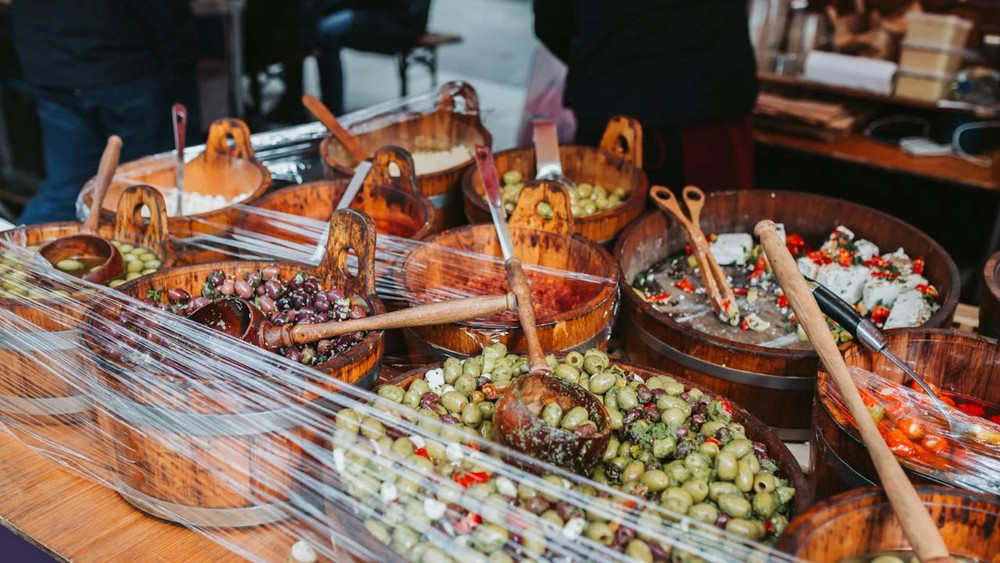
Finding authentic African food ingredients UK-wide is easier than ever. Major grocery retailers such as Sainsbury’s, Tesco, and Asda have expanded their ‘world foods’ aisles to include core African staples. For a wider selection, specialist African shops in cities like London, Birmingham, and Manchester offer everything from spices to fresh produce. Online stores are another excellent resource, delivering even rare items across the UK.
Farmers’ markets in multicultural neighbourhoods are also excellent spots for sourcing fresh, seasonal African vegetables and herbs. For official import guidance, the UK government’s Food Standards Agency provides information on safe food imports and quality standards.
African Ingredient Substitutions for British Recipes
Not every ingredient is always available, but there are plenty of African ingredient substitutions for British recipes. For example, spinach or Swiss chard works well in place of amaranth, while sweet potatoes can stand in for yam. Ras el hanout can substitute for more complex spice blends, and pumpkin seeds are a reliable replacement for egusi seeds in soups and sauces. With these swaps, it’s easy to experiment with the top African ingredients for UK cuisine, even if your local shop doesn’t stock every item.

Cooking with African Flavours in Britain: Tips and Fusion Ideas
Simple Ways to Blend African Flavours with British Classics
One of the joys of the UK’s dynamic food culture is the freedom to blend traditions. To introduce top African ingredients for UK cuisine into your repertoire, start small: add berbere to a beef stew, fold okra into a cottage pie, or stir fonio into a summer salad. Even a dash of suya spice can add a smoky kick to classic roast chicken or grilled vegetables.
For chefs and home cooks, the key is balance. African flavours are bold, so pair them with milder British staples like potatoes, root vegetables, and grains. This ensures the new tastes shine without overwhelming the dish. Fusion recipes—such as jollof rice-stuffed peppers or plantain chips with fish and chips—showcase the versatility of these top African ingredients for UK cuisine.
Expert African Cooking Tips for UK Chefs
Some expert African cooking tips for UK chefs include toasting spices before use to release their oils, blending fresh herbs for sauces and marinades, and experimenting with different forms of the same ingredient (e.g., dried vs. fresh okra). Use seasonal British produce alongside African staples for a sustainable, local twist. And always taste as you go—African cuisine thrives on harmony and depth.
If you’re new to these flavours, start with a single ingredient—like moringa powder in smoothies or hibiscus in iced tea—and gradually build your confidence. Many British chefs now attend workshops or collaborate with African cooks to better understand the nuances of these ingredients, leading to more authentic and creative results.
Frequently Asked Questions
What are the top African ingredients for UK cuisine in 2026?
In 2026, the top African ingredients for UK cuisine include berbere, suya, teff, fonio, okra, amaranth greens, yam, African eggplant, moringa, hibiscus, and egusi seeds. These are widely used in both traditional and fusion recipes across Britain.
How can I use African herbs and spices in British recipes?
You can add African herbs like basil or jute leaves to soups, stews, and sauces, or use spice blends such as berbere and suya as rubs, marinades, or seasoning for roasted vegetables and meats. The key is to introduce them gradually and balance with familiar flavours.
Where can I buy African ingredients in the UK?
African ingredients are available in major supermarkets, specialist African grocery stores, multicultural street markets, and online retailers. Cities like London and Birmingham have vibrant African food scenes and dedicated shops.
Are there easy substitutions for African ingredients in British cooking?
Yes. Spinach for amaranth, sweet potato for yam, pumpkin seeds for egusi, and couscous for fonio are common swaps. These allow you to experiment with African-inspired recipes even if some items are hard to source locally.
What are the health benefits of using African ingredients?
Many African ingredients are nutrient-dense, naturally gluten-free, and rich in antioxidants, vitamins, and minerals. Foods like moringa, teff, and baobab support a balanced diet and can diversify your nutritional intake while adding exciting new flavours.
Ready to revolutionise your cooking with the top African ingredients for UK cuisine? At the business, we’re dedicated to helping you discover, source, and master these unique flavours. Explore our local expertise and bring the taste of Africa to your kitchen—your next unforgettable meal starts here.