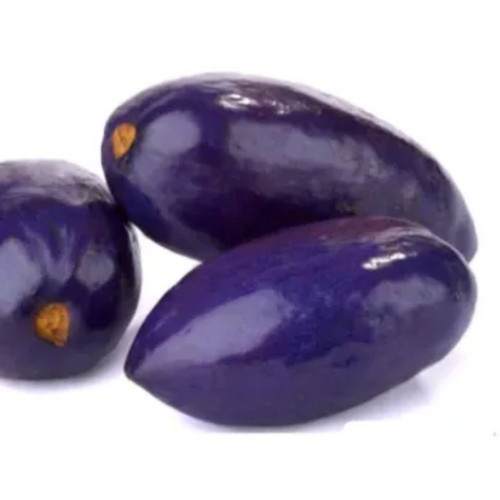
African Pear (Ube) – Fresh African Delicacy UK (1kg)
- Weight:
- 1.00 KGS
African pear, commonly known as ube, is a highly nutritious and traditional West African fruit enjoyed especially in Nigeria and surrounding regions. It is a seasonal delicacy loved for its soft texture, rich taste, and versatility when eaten with roasted or boiled corn.
At Crown Food Store, we supply fresh African pear (ube) in the UK, making it easier for customers to enjoy this authentic African delicacy without needing to travel abroad or rely on limited local availability.
If you are searching for where to buy African pear (ube) in the UK, you can order directly from our African grocery store online with fast and reliable UK-wide delivery.
? What is African Pear (Ube)?
African pear (Dacryodes edulis) is a seasonal fruit native to West and Central Africa. It is commonly found in Nigeria, Cameroon, and Ghana.
The fruit is:
- Soft and oily in texture when ripe
- Lightly sweet and savoury in taste
- Rich in healthy fats and nutrients
Unlike many fruits, ube is often eaten after being boiled or lightly warmed, which enhances its creamy texture.
?️ How African Pear (Ube) is Eaten
African pear is traditionally enjoyed in simple but delicious ways:
? With Roasted or Boiled Corn
The most popular way to eat ube is alongside roasted or boiled corn, creating a perfect balance of creamy and crunchy textures.
? As a Snack
It can be eaten on its own as a filling and nutritious snack.
? Light Seasoning
Some people enjoy adding a pinch of salt or spices to enhance the flavour.
? Nutritional Benefits of African Pear
African pear is not just delicious — it is also highly nutritious.
It contains:
- Healthy natural fats
- Dietary fibre
- Vitamins and minerals
- Antioxidants
These nutrients make it a popular choice for natural energy and heart-friendly nutrition in traditional African diets.
? Why African Pear (Ube) is Special
African pear is deeply rooted in West African food culture. It is often associated with:
- Childhood memories
- Street food culture
- Seasonal harvest celebrations
- Traditional snacking habits
Because it is seasonal and not widely available in UK supermarkets, many African households rely on trusted African grocery stores online to access it.
?? African Pear (Ube) in the UK
Finding fresh African pear in the UK can be difficult due to its seasonal nature. That’s why Crown Food Store brings authentic African produce directly to customers across the UK.
We help you enjoy traditional African foods without compromise by offering:
- Fresh seasonal imports
- Careful packaging
- Reliable delivery service
- Trusted African food shop UK online experience
? Why Buy African Pear From Crown Food Store?
At Crown Food Store, we prioritise freshness, authenticity, and customer satisfaction.
✔️ What makes us different:
- Authentic African fresh produce
- Carefully sourced seasonal items
- Fast African groceries delivery UK
- Trusted African grocery store UK online
- Easy online ordering system
? UK Delivery Information
We offer fast and reliable delivery of African groceries across the UK, ensuring your African pear arrives fresh and ready to enjoy.
Order online today and experience convenient African food delivery UK-wide.
? Related Products
You may also like:
- Tiger Nuts
- Puna Yam
- Gari
- Palm Oil
- African Fresh Vegetables
❓ Frequently Asked Questions
What is African pear (ube)?
African pear is a tropical fruit native to West Africa, known for its creamy texture and rich taste.
How do you eat African pear?
It is usually eaten with roasted or boiled corn or enjoyed as a snack.
Is African pear available in the UK?
Yes, you can buy African pear online from Crown Food Store with UK delivery.
Is African pear healthy?
Yes, it contains healthy fats, fibre, and essential nutrients.
? Final Note
African pear (ube) is a treasured West African delicacy that brings culture, flavour, and nostalgia together. At Crown Food Store, we make it easy to enjoy this seasonal fruit in the UK with reliable online delivery and authentic quality.